
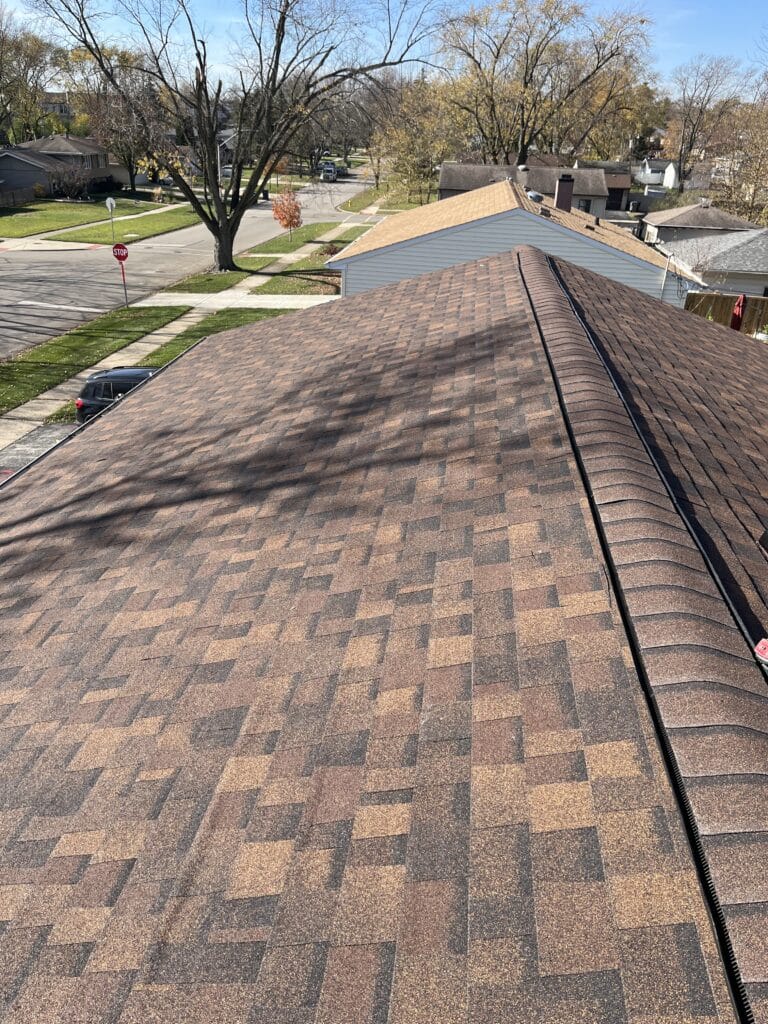
After a strong storm, homeowners often want roof damage repaired as quickly as possible. Hail, wind, heavy rain, fallen branches, and missing shingles can leave your home exposed. Unfortunately, this is also when dishonest contractors and storm chasers often show up.
Knowing how to avoid roofing scams after storms can help protect your home, your insurance claim, and your money. While many roofing contractors are honest and professional, some scammers use high-pressure tactics, vague contracts, and promises that sound too good to be true.
Before you sign anything or hand over payment, take time to understand the warning signs.
Why Roofing Scams Happen After Storms
Roofing scams often increase after severe weather because homeowners are stressed, repairs feel urgent, and insurance claims may be involved. Scammers know that damaged neighborhoods create an opportunity.
They may go door to door offering free inspections, claim they “just finished a job nearby,” or say they noticed damage from the street. Some may pressure you to sign a contract immediately before you have time to compare estimates or verify their business.
That is why learning how to avoid roofing scams after storms is so important. A damaged roof should be handled quickly, but not recklessly.
What Is a Storm Chaser Roofing Contractor?
A storm chaser is typically an out-of-town contractor who follows severe weather events and targets neighborhoods with roof damage. Not every out-of-town contractor is dishonest, but many roofing scams after storms involve companies that appear suddenly, collect deposits, perform poor-quality work, or disappear when problems come up later.
A storm chaser may not be available if your roof leaks again months later. They may also use temporary local addresses, borrowed business names, or aggressive sales tactics to look more trustworthy than they are.
A reputable local roofing contractor should be able to provide proof of insurance, references, a written estimate, a clear contract, and a history of completed work in your area.
Warning Signs of Roofing Scams After Storms
If you want to know how to avoid roofing scams after storms, start by watching for these red flags.
1. They Knock on Your Door Right After a Storm
A contractor showing up at your door immediately after a storm is not automatically a scam, but it should make you cautious. Scammers often target entire neighborhoods after hail, wind, or tornado damage.
Do not feel pressured to make a decision at the door. Ask for their business information, then research the company before agreeing to an inspection or repair.
2. They Pressure You to Sign Immediately
High-pressure sales tactics are one of the biggest warning signs. A dishonest contractor may say the price is only available today, your insurance deadline is about to expire, or your roof is unsafe without giving you time to get another opinion.
A trustworthy roofer will give you time to review the estimate, ask questions, and compare your options.
3. They Ask for a Large Upfront Payment
Be careful if a contractor asks for a large cash deposit before any work begins. Some scammers collect payment and never return.
A reasonable deposit may be normal for certain projects, but the payment schedule should be clear, written into the contract, and tied to the work being performed.
4. They Offer to “Cover” or “Waive” Your Deductible
Some contractors may promise to cover your insurance deductible as a way to win the job. This can create problems with your insurance claim and may not be legal depending on the situation.
Be cautious of any contractor who encourages you to hide costs, inflate damage, or misrepresent information to your insurance company.
5. They Give a Vague or Verbal Estimate
A professional roofing estimate should include details about the work, materials, labor, timeline, payment terms, warranties, and cleanup.
If the contractor refuses to put things in writing, that is a major red flag. Verbal promises are difficult to enforce if the work is incomplete or poorly done.
6. They Cannot Provide Proof of Insurance
A roofing contractor should be able to provide proof of liability insurance and workers’ compensation coverage. Without proper insurance, you could be exposed to risk if property damage or injuries happen during the project.
Always ask for proof before work begins.
7. They Have No Local References
A contractor with no local references, no online presence, no permanent business address, or only temporary contact information may be difficult to track down later.
Before hiring anyone, check reviews, ask for recent local projects, and confirm that the business is established.
How to Avoid Roofing Scams After Storms
The best way to protect yourself is to slow the process down and verify everything before signing.
Get Multiple Roofing Estimates
Try to get at least two or three estimates before choosing a contractor. This helps you compare pricing, scope of work, materials, and professionalism.
The cheapest estimate is not always the best choice. A very low price could mean poor materials, incomplete work, or hidden costs later.
Verify the Contractor’s Business Information
Before hiring a roofing contractor, check their:
- Business name
- Local address
- Phone number
- Website
- Online reviews
- Proof of insurance
- References
- Years in business
- Written warranty information
A legitimate roofer should have no problem providing this information.
Get Everything in Writing
Never rely on a handshake agreement after storm damage. Your contract should clearly explain:
- The roofing work being performed
- Materials being used
- Project timeline
- Total cost
- Payment schedule
- Cleanup responsibilities
- Warranty details
- Insurance claim responsibilities
- Cancellation terms
Do not sign a contract with blank spaces or unclear pricing.
Do Not Sign Over Your Insurance Check Too Quickly
If your insurance company issues payment for storm damage, be careful about signing the check over to a contractor before the work is complete.
You should understand what the insurance payment covers, what your deductible is, and how the contractor will be paid. If something feels unclear, pause and ask questions.
Contact Your Insurance Company First
If your roof has storm damage, contact your insurance company before agreeing to major repairs. Your insurer can explain the claim process, inspection steps, and documentation needed.
A roofing contractor can help document damage, but they should not pressure you into filing a claim or making decisions before you understand your options.
Watch Out for “Free Roof” Promises
A contractor who promises a “free roof” through insurance may be using misleading sales tactics. Insurance coverage depends on your policy, deductible, damage, and adjuster findings.
Be careful with anyone who guarantees insurance approval before the claim has been reviewed.
Avoid Cash-Only Deals
Cash-only requests can be a warning sign, especially if the contractor offers a discount for avoiding paperwork. Paying by check, card, or another traceable method gives you better documentation.
Always request receipts for any payment.
Questions to Ask Before Hiring a Roofer
Before choosing a contractor, ask these questions:
- Are you local to this area?
- How long have you been in business?
- Can you provide proof of insurance?
- Do you have recent local references?
- Will I receive a written estimate?
- What materials will be used?
- Who will manage the project?
- What is the payment schedule?
- What warranties are included?
- Who handles cleanup?
- What happens if there is a problem after the job is complete?
The way a contractor answers these questions can tell you a lot. A reputable roofer should be clear, patient, and professional.
What to Do If a Roofer Finds Storm Damage
If a roofing contractor says you have storm damage, ask them to show you photos and explain what they found. Damage should be specific and documented.
Common storm damage may include:
- Missing shingles
- Lifted shingles
- Hail marks
- Damaged flashing
- Dented vents or gutters
- Exposed underlayment
- Leaks in the attic
- Water stains on ceilings
- Fallen branch damage
Do not sign a repair or replacement contract just because someone says you have damage. Get documentation and consider a second opinion.
Protect Yourself During the Insurance Claim Process
Storm damage and insurance claims can be confusing. Scammers take advantage of that confusion by making promises they cannot guarantee.
To protect yourself:
- Keep photos of damage
- Save all contractor estimates
- Keep copies of insurance paperwork
- Document conversations
- Confirm what your policy covers
- Understand your deductible
- Avoid signing anything you do not understand
A trustworthy roofing contractor can help explain the repair process, but your insurance company determines coverage based on your policy and claim.
Why Hiring a Local Roofing Contractor Matters
Hiring a local roofing contractor can reduce your risk after a storm. Local contractors are more likely to understand regional weather, local building requirements, and common roofing issues in your area.
They are also easier to contact if you need warranty support, follow-up service, or future maintenance.
When comparing roofers, look for a company with a local reputation, proven experience, and clear communication from the start.
Final Thoughts: How to Avoid Roofing Scams After Storms
Knowing how to avoid roofing scams after storms can save you from expensive mistakes. After severe weather, take quick action to protect your home, but do not rush into signing a contract with the first person who knocks on your door.
Avoid high-pressure sales tactics, large upfront cash payments, vague contracts, and contractors who cannot provide proof of insurance or local references.
The safest approach is to document the damage, contact your insurance company, get multiple written estimates, and work with a trusted local roofing contractor.
Storm damage can be stressful, but the right contractor will help you move forward with confidence, not pressure.
FAQ: How to Avoid Roofing Scams After Storms
How do I know if a roofing contractor is a scam?
Warning signs include high-pressure sales tactics, large upfront cash requests, no proof of insurance, vague contracts, no local references, and promises that sound too good to be true.
Should I hire a roofer who knocks on my door after a storm?
You can listen, but do not sign anything immediately. Research the company, verify insurance, check reviews, and get other estimates before making a decision.
Is it a red flag if a roofer says they can waive my deductible?
Yes, be cautious. A contractor who promises to waive, cover, or hide your deductible may be using misleading or improper insurance practices.
Should I pay a roofing contractor upfront?
Avoid paying the full amount upfront. Any deposit or payment schedule should be clearly explained in writing and tied to the work being completed.
What is the best way to avoid roofing scams after storms?
The best way to avoid roofing scams after storms is to get multiple written estimates, verify the contractor’s insurance and local reputation, avoid pressure tactics, and never sign a contract you do not fully understand.