
Introduction
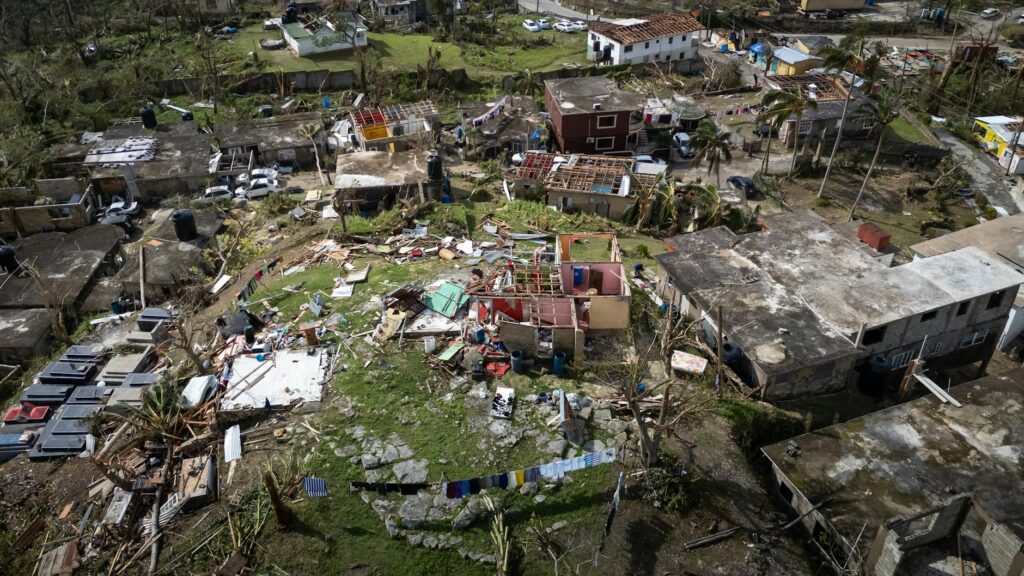
Oswego, a picturesque town with a rich history and beautiful homes, is not immune to the wrath of Mother Nature. When a storm hits, it can leave behind a trail of destruction, especially on rooftops. Identifying roof damage early is crucial to prevent further complications and costly repairs. In this article, we will guide you on how to spot roof damage after a storm in Oswego.
Why Roof Inspections are Important
Regular roof inspections after a storm are essential to ensure the integrity of your home. A compromised roof can lead to leaks, structural damage, and even safety hazards. By inspecting your roof promptly, you can address issues before they escalate, saving time and money.
Common Types of Storm Damage
- Wind Damage: Strong winds can lift shingles, leaving your roof exposed to further damage.
- Hail Damage: Hailstones can cause dents or even punctures in roofing materials.
- Water Damage: Heavy rain can lead to leaks and water intrusion.
- Debris Damage: Falling branches and other debris can impact and damage roofing materials.
Step-by-Step Guide to Spotting Roof Damage
1. Conduct a Ground-Level Inspection
Before climbing onto the roof, perform a visual inspection from the ground using binoculars. Look for obvious signs of damage such as missing, curled, or cracked shingles.
2. Check for Interior Signs
Inspect your attic and ceilings for water stains, mold, or dampness. These can indicate leaks that may have resulted from roof damage.
3. Examine Gutters and Downspouts
Check for granules or shingle pieces in your gutters, which can be a sign of shingle deterioration. Also, ensure that gutters are not clogged and are properly attached.
4. Conduct a Close-Up Roof Inspection
If safe to do so, use a sturdy ladder to get a closer look at the roof. Pay attention to the following:
- Shingles: Look for any that are missing, broken, or damaged.
- Flashing: Ensure that metal flashing around chimneys and vents is secure and intact.
- Vent Pipes: Check for cracks or damage around vent pipes.
5. Inspect for Structural Damage
Look for sagging areas or any signs of structural issues. These can indicate significant damage that requires immediate professional attention.
When to Call a Professional
While minor repairs can sometimes be handled on your own, certain situations require professional expertise. Consider hiring a roofing contractor if:
- The damage is extensive or difficult to assess.
- You notice structural issues or significant leaks.
- You are uncertain about the safety of inspecting the roof yourself.
Conclusion
Being proactive in inspecting your roof after a storm is key to maintaining the safety and longevity of your home in Oswego. By following these steps, you can effectively spot damage and take necessary actions to address it. Don’t let minor issues turn into major headaches—ensure your roof is always in top condition.
Call-to-Action: If you suspect your roof has been damaged by a storm, don’t wait. Contact a local roofing professional today to schedule a comprehensive inspection and ensure your home stays protected.